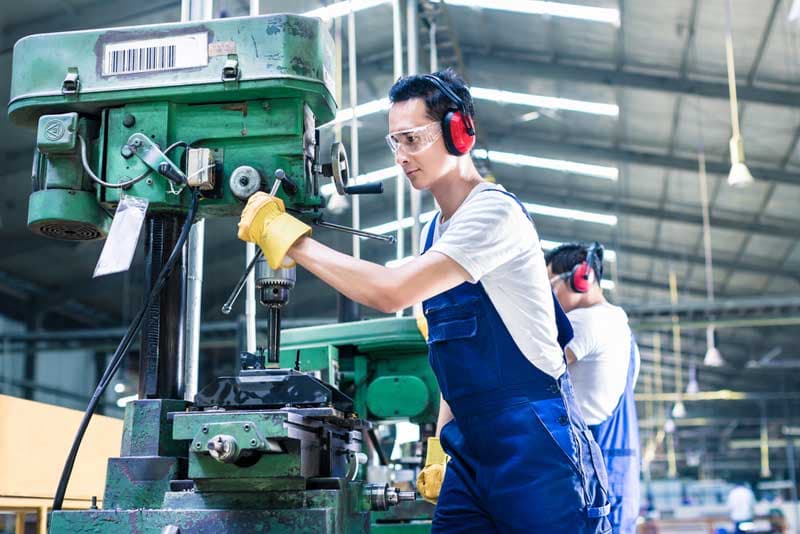
Discover how a robust factory management system in Nepal can streamline operations, boost productivity, and drive industrial growth for your business.
Transforming Manufacturing in Nepal
The manufacturing sector in Nepal is undergoing a critical transformation. Traditional manual tracking and fragmented operations no longer suffice in a competitive global market. Implementing a factory management system in Nepal is now a fundamental requirement for industrial growth.
Local manufacturers face unique challenges, from supply chain disruptions to labor management complexities. A centralized software solution addresses these bottlenecks directly. It provides real-time visibility into every production stage, ensuring resources are utilized effectively.
Digitization is not an option for Nepalese factories; it is the baseline for sustainable profitability and operational resilience.
By transitioning away from paper-based ledgers and disjointed spreadsheets, factory owners gain unprecedented control. This technological shift empowers businesses to meet strict delivery deadlines while maintaining high-quality standards across all product lines.
Core Features of Modern Factory Software
Choosing the right platform requires understanding your specific operational needs. A robust system integrates multiple departments into a single, unified dashboard. This eliminates data silos and enhances cross-departmental communication.
1. Automated Inventory and Procurement
Raw material shortages can halt production entirely, causing massive financial losses. Modern systems automate stock tracking, sending instant alerts when inventory falls below critical thresholds. This ensures continuous production cycles without tying up excess capital in warehousing.
Furthermore, automated procurement modules streamline vendor management. The system generates purchase orders automatically based on predictive demand, ensuring you always secure materials at the best possible prices.
2. Real-Time Production Tracking
Managers must know exactly what happens on the factory floor at any given moment. Digital production tracking monitors machine downtime, worker output, and quality control metrics. This data allows for immediate course correction.
Production bottlenecks are identified instantly. Supervisors can reallocate labor or adjust machine speeds on the fly, maximizing overall equipment effectiveness and minimizing costly idle time.
3. Workforce and Payroll Integration
Managing shift schedules and labor compliance is notoriously difficult in large facilities. Integrated HR modules track attendance via biometric scanners, calculate overtime, and process payroll automatically. This reduces administrative overhead significantly.
It also fosters a transparent work environment. Employees receive accurate, timely compensation, which boosts morale and reduces turnover rates in highly competitive labor markets.
Key Industries Benefiting from Automation
While all manufacturing sectors gain from digital management, certain industries in Nepal see exponential improvements. The adaptability of these systems makes them highly versatile across diverse production environments.
- FMCG (Fast-Moving Consumer Goods): Rapid inventory turnover requires precise batch tracking and expiry date management to prevent spoilage.
- Textiles and Garments: Complex supply chains and large workforces demand stringent labor tracking and material utilization controls.
- Construction Materials: Heavy machinery maintenance schedules and bulk raw material logistics are optimized to prevent catastrophic downtime.
Cloud-Based vs. On-Premise Solutions
Nepalese factory owners must decide between cloud-based platforms and on-premise servers. Each architecture offers distinct advantages depending on the scale and infrastructure of the facility.
Cloud-based systems offer lower upfront costs and remote accessibility. Managers can monitor factory performance from a smartphone anywhere in the world. They also provide automatic security updates and seamless scalability as the business grows.
Conversely, on-premise solutions offer total data control for facilities operating in areas with unstable internet connectivity. While requiring a higher initial investment in hardware, they operate independently of external network fluctuations.
Strategic Benefits for Nepalese Industries
Investing in a comprehensive management platform yields immediate and long-term dividends. The initial setup cost is quickly offset by dramatic improvements in operational efficiency and waste reduction.
- Cost Reduction: Automated workflows reduce material waste and optimize energy consumption across the plant.
- Enhanced Quality Control: Standardized digital checklists ensure every product meets strict compliance and quality standards.
- Data-Driven Decisions: Historical data and predictive analytics empower executives to forecast demand accurately.
Overcoming Implementation Challenges
Adopting new technology in traditional manufacturing environments presents distinct hurdles. Resistance to change and limited technical literacy are common roadblocks. However, these challenges are entirely manageable with the right strategic approach.
Partnering with a local software provider ensures access to on-site training and responsive technical support. Phased implementation allows staff to adapt gradually. Factories should start with core modules like inventory before expanding into complex predictive analytics.
Clear communication from executive leadership is vital. When employees understand that the software is designed to assist them, adoption rates increase dramatically.
Securing Your Industrial Future
The trajectory of Nepal's industrial sector leans heavily toward automation and smart manufacturing. Early adopters of integrated management systems hold a significant competitive advantage. They operate leaner, respond faster to market changes, and scale with minimal friction.
Evaluate your current workflows, identify key inefficiencies, and select a software partner that aligns with your growth objectives. The transition to a digital factory floor is the definitive step toward long-term industrial success and market dominance.