Discover how Artificial Intelligence is revolutionizing education in Nepal. Explore personalized learning, smart classrooms, and future student opportunities.
The Dawn of Digital Learning in Nepal
Artificial Intelligence is rapidly reshaping global paradigms, and its potential to revolutionize the educational landscape in Nepal is unprecedented. From the bustling classrooms of Kathmandu to the remote schools in the Himalayas, AI in education offers scalable solutions to long-standing systemic challenges.
Traditional teaching methods often struggle to accommodate diverse learning paces, especially in densely populated classrooms. By integrating intelligent technologies, educators can foster dynamic environments where every student receives the individualized attention they deserve. This technological leap is not merely an upgrade; it is a fundamental shift in how knowledge is disseminated and acquired.
Bridging the Geographical and Educational Divide
Nepal faces unique geographical and infrastructural hurdles. Students in rural and mountainous areas frequently lack access to quality educational resources, modern libraries, and experienced subject-matter experts. AI-powered platforms can bridge this critical gap effectively and sustainably.
- Adaptive Offline Platforms: Lightweight AI applications can operate on low-bandwidth networks or entirely offline, delivering interactive, curriculum-aligned lessons to the most remote districts.
- Intelligent Language Translation: Nepal is a linguistically diverse nation. AI tools can instantly translate complex educational materials from English or Nepali into regional dialects, ensuring students grasp foundational concepts in their mother tongue.
- Virtual Mentorship: AI-driven chatbots and virtual assistants can provide 24/7 academic support, answering student queries and guiding them through complex problem-solving exercises when teachers are unavailable.
AI transcends geographical boundaries, bringing world-class educational resources to the most isolated communities in Nepal.
Pioneering Personalized Learning Experiences
A standardized curriculum often leaves advanced learners under-stimulated while struggling students are left behind. Personalized learning algorithms analyze a student's academic performance, learning speed, and preferred content formats in real-time. The system then dynamically adapts the difficulty of tasks to match their precise proficiency level.
This data-driven approach ensures mastery of core concepts before introducing advanced topics. Students receive instant, constructive feedback, allowing them to identify and correct mistakes immediately. The result is a highly engaged student body, motivated by customized educational pathways that cater to their unique intellectual needs.
Empowering Nepali Educators and Administrators
Teachers in Nepal frequently manage overwhelmingly large class sizes and bear heavy administrative burdens. AI serves as a powerful digital assistant, automating routine tasks and freeing up valuable instructional time for meaningful student-teacher interactions.
Automated Grading and Assessment
Machine learning algorithms can evaluate objective tests, quizzes, and even provide preliminary grading for written assignments. This rapid turnaround helps teachers identify class-wide knowledge gaps instantly, allowing them to adjust their lesson plans on the fly.
Data-Driven Predictive Insights
AI dashboards compile and analyze vast amounts of student data to highlight subtle trends in attendance, participation, and subject comprehension. Educators can leverage these predictive analytics to intervene early when a student shows signs of academic distress or risk of dropout.
Supporting Special Education Needs
One of the most profound impacts of AI is its ability to democratize education for students with disabilities. Speech-to-text transcription, image recognition, and predictive text algorithms make learning materials highly accessible. For Nepali students with visual or auditory impairments, AI-driven accessibility tools ensure they are not marginalized but fully integrated into mainstream educational frameworks.
Overcoming Implementation Challenges
While the benefits are undeniable, deploying artificial intelligence in Nepal requires navigating significant infrastructural barriers. Consistent electricity, reliable hardware, and high-speed internet access remain elusive in many rural municipalities.
Strategic partnerships between the Ministry of Education, private tech enterprises, and international NGOs are essential. Investments must focus heavily on building robust digital infrastructure, subsidizing devices for public schools, and developing localized AI software.
Furthermore, comprehensive digital literacy training for teachers is critical. Educators must feel confident and competent using AI tools to maximize their impact in the classroom. Without teacher buy-in and proper training, even the most advanced AI systems will remain underutilized.
Preparing Students for a Digital Future
Integrating AI into the national curriculum does more than improve standardized test scores; it prepares Nepali students for the highly competitive global workforce. Early exposure to intelligent systems fosters critical thinking, complex problem-solving, and essential digital fluency.
As industries worldwide rapidly adopt automation and machine learning, students equipped with AI literacy will possess a significant competitive advantage. By embracing this technological shift, Nepal can successfully transition from being a mere consumer of technology to a vibrant hub of digital innovation and skilled human capital.
The transformation of education through AI is a gradual, iterative process. It demands visionary policymaking, sustainable long-term investment, and an unwavering commitment to equitable access. Through these concerted efforts, Nepal can unlock the boundless potential of its youth, securing a prosperous future.
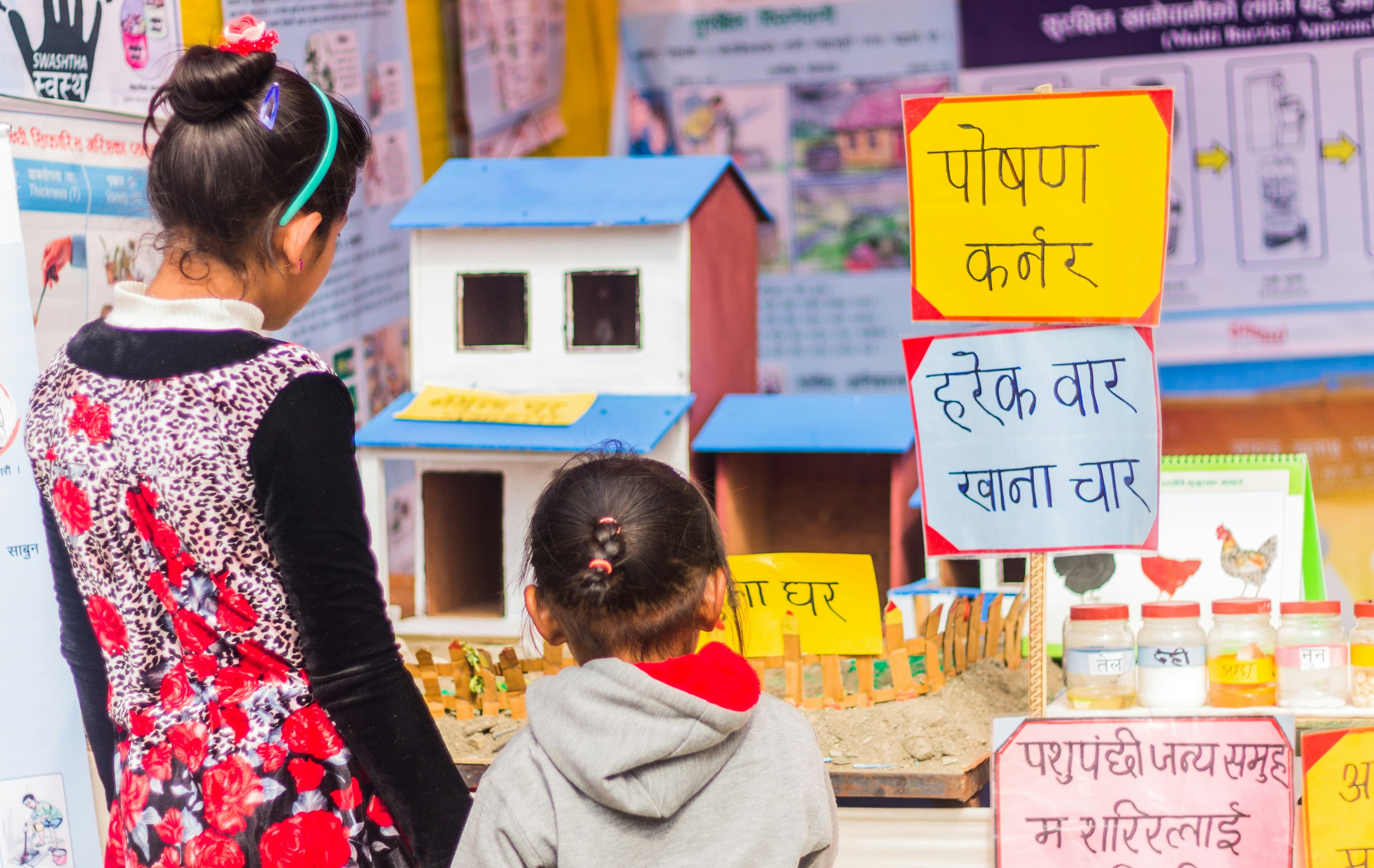
Photo by Sushanta Rokka on Unsplash